
Category Archives: CBD

CBD for Dogs: Benefits, Dosage, and Safety

CBD for Dogs: Benefits, Dosage, and Safety

As interest in natural wellness continues to evolve and grow, many health-conscious pet owners are exploring holistic options for their dogs. One product that has gained a lot of attention in recent years is CBD for dogs. Marketed as a plant-based supplement that may support relaxation and overall balance, CBD pet oil is now widely available in treats and chews.

Before you introduce any type of supplement into your dog’s everyday routine, it’s really important to understand how it works, what it can help with, how to measure dosages, and any potential safety concerns. This guide offers a clear overview to help you make informed decisions for your dog in partnership with your veterinarian.

How CBD Affects Dogs

CBD, short of cannabidiol, is a compound derived from hemp. Unlike THC, it does not produce a so-called “high” effect. In both humans and animals, CBD interacts with the endocannabinoid system (ECS), a complex cell-signaling system involved in regulating mood, sleep, appetite, pain perception, and immune response. 

Dogs have a similar system to humans, and researchers believe that CBD may influence receptors in this system. Although early studies and reports suggest that CBD for dogs might promote calm behavior and physical comfort, scientific research in veterinary medicine is still very much developing. 

As research is still ongoing, it is wise to approach CBD pet oil as a supplement that may offer supportive benefits rather than a guaranteed treatment or cure.

Common Conditions Treated

Pet owners often explore CBD for dogs to support a variety of concerns. Although evidence is still emerging, some of the most commonly discussed uses include the following:

Anxiety and Stress: dogs may experience anxiety due to separation, loud noises, travel, or changes in routine. Some owners report that CBD pet oil appears to promote a sense of calm during stressful events.

Joint Discomfort and Mobility Issues: aging dogs, in particular, may show signs of stiffness or reduced activity. Preliminary research suggests CBD may support normal inflammatory responses, which could help maintain comfort and mobility.

Seizure Disorders: there is growing interest in the role of cannabinoids in neurological health. Whilst some small veterinary studies have explored CBD alongside conventional medications, results remain mixed and should not replace prescribed treatments.

General Wellness Support: some owners use CBD for dogs as part of a broader wellness plan, aiming to support balanced mood, appetite, and overall vitality.

It is really important to note that CBD products are not approved by the U.S. Food and Drug Administration (FDA) to diagnose, treat, cure, or prevent diseases in animals. Any use for specific medical conditions should be discussed with a licensed veterinarian.

Dosage Guidelines

Determining the right dosage is one of the most important aspects of using CBD for dogs safely. Because there are no universally established dosage standards, recommendations will often vary depending on the product, your dog’s size, and the condition that’s being addressed.

Many CBD pet oil products provide general guidelines based on body weight, often expressed in milligrams (mg) of CBD per pound. A cautious approach typically involves starting with a low dose and gradually increasing it if needed, while monitoring your dog’s behavior and comfort.

For example, some manufacturers suggest beginning with 0.2 to 0.5 mg of CBD per pound of body weight, once or twice daily. However, these are general suggestions and not medical advice. Factors such as age, metabolism, and overall health may influence how your dog responds to the CBD.

With these guidelines in mind, you should always:

  • Review product labels carefully
  • Use the measuring tool provided
  • Track your dog’s response over several days
  • Consult your veterinarian before adjusting dosage

If you notice any side effects such as excessive drowsiness, digestive upset, or changes in appetite, discontinue use and contact your veterinarian.

Choosing Quality Products

Not all CBD pet oil products are created equally. Quality, transparency, and testing standards vary widely across brands too. When evaluating CBD for dogs, you should always consider the following:

Third-party lab testing: Reputable companies provide certificates of analysis (COAs) from independent laboratories. These reports confirm the cannabinoid content and check for contaminants such as pesticides, heavy metals, and residual solvents.

Hemp source: Look out for products made from organically grown hemp in the United States, where agricultural standards are regulated.

THC content: CBD products for dogs should contain little to no THC (usually less than 0.3%). Even small amounts of THC can be harmful to pets, so this is a really important one to look out for.

Clear labeling: The product should clearly state the total amount of CBD in the bottle, and per serving.

Pet-specific formulations: Choose products specifically formulated for animals. Human CBD oils may contain flavorings or ingredients that are not suitable for dogs.

Taking your time to research a wide range of brands can help to reduce potential risks and also ensures you are providing a thoughtfully selected supplement for your dog.

Veterinary Options

Veterinary perspectives on CBD for dogs are continually evolving, which is a positive step forward for pets who would benefit from these treatments. Some veterinarians acknowledge that CBD may offer supportive benefits for certain dogs, particularly, when it’s used alongside conventional treatments. However, many researchers emphasize that the findings are still limited and that more large-scale clinical trials are needed. 

In the United States, regulations around veterinary recommendations for CBD vary from state to state. Some veterinarians may be legally restricted in how they discuss or recommend cannabis-derived products. Despite this, most professionals would agree that open communication when it comes to CBD for dogs is always essential. 

If you’re considering CBD pet oil, bring the product information to your veterinarian in person. Discuss your dog’s medical history, current medications, and any specific symptoms they’re facing at the moment. This collaborative approach helps to ensure safety and minimizes risk to your dog.

FAQs

  • Can You Give Your Dog CBD for Seizures?

Some early studies have explored CB as a complementary option for dogs with seizure disorders. While there is interest in its potential neurological effects, results are not always conclusive. CBD should never replace prescribed anti-seizure medication without any veterinary guidance. Always consult your dog’s veterinarian before adding any supplement to their seizure management plan.

  • Can You Give Your Dog CBD for Anxiety?

Many pet owners use CBD for dogs to help manage anxiety related to separation, thunderstorms, or travel. Some reports do suggest calming effects too, and responses vary by individual dog. It is best to combine supplements with behavioral strategies and professional guidance when you’re addressing your dog’s anxiety.

  • Is CBD Safe for Dogs?

When you source your CBD from reputable manufacturers, and use it at the appropriate times, CBD pet oil is generally considered to be well tolerated by many dogs. Potential side effects might include drowsiness, dry mouth, or mild digestive issues. Safety depends on product quality, dosage, and your dog’s overall health status too.

  • Is CBD Approved By Veterinarians?

CBD is not officially approved by the FDA for use in dogs. Some veterinarians may discuss it as a supplemental option, but formal approval and standardized dosing guidelines are still being finalized. All in all, you should always seek out veterinary advice before using CBD for your dog.

Final Thoughts

Overall, CBD for dogs is a continually growing area of interest when it comes to natural pet wellness. Although early findings and owner experiences are positive, it’s important to conduct careful research, select your products carefully, and consult veterinarians with every individual case. All of these processes are essential for safe and responsible use of CBD for your dog.
How to Use CBD Oil A Step-by-Step Guide

How to Use CBD Oil: A Step-by-Step Guide

CBD oil has become an increasingly popular option for people looking to support their everyday wellness routines in a more natural way. From managing daily stress, to encouraging relaxation, many adults are generally quite curious about how CBD oil fits into a balanced lifestyle. However, knowing how to use it properly is just as important as choosing a quality product.

This guide breaks down all of the basics of how to use CBD oil in a simple, step-by-step way. It focuses on dosage, consumption methods, and what to expect over time, without making any medical claims or promises. Whether you’re brand new to the world of CBD or you’re just looking to be more informed, this overview will help you to approach CBD oil thoughtfully and responsibly.

Determining the Right Dosage

Finding the right amount of CBD oil can feel confusing at first, especially since there’s no universal dosage that works for everyone. Factors such as body weight, individual sensitivity, lifestyle, and the concentration of the CBD oil all play a huge role.

Generally, most beginners would start with a low amount and increase gradually. Starting low, and taking it slow is an approach that will allow you to observe how your body responds before making adjustments. Reading the product label is essential, as CBD oils vary widely in strength. A few drops of one product may contain much more CBD than a full dropper of another, so it’s important to check using a reliable CBD dosage guide. This can help provide a general starting range, but it’s best viewed as a reference point rather than a strict rule. Consistency and patience are key when determining what feels right for you.

Methods of Consumption

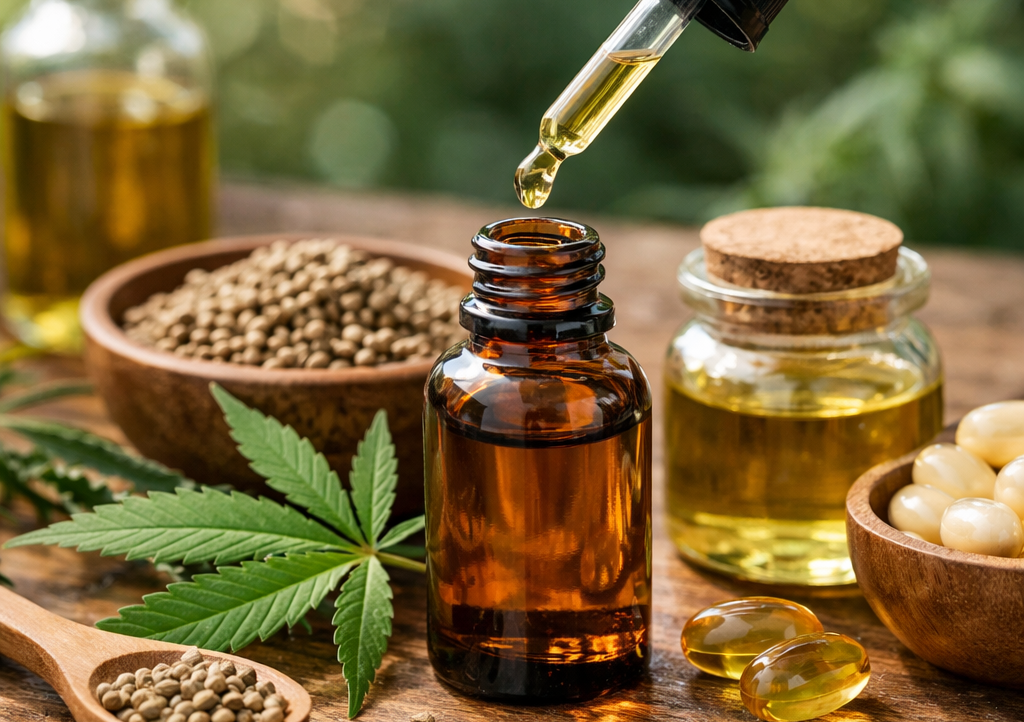
CBD oil can be taken in several different ways, and each method offers a slightly different experience from person to person. One of the most common methods is sublingual use, where the oil is placed under the tongue and held here for around 30-60 seconds before swallowing. This allows the CBD to be absorbed through tissues in the mouth and is often chosen for its simplicity and efficiency.

CBD oil can also be added to food or drinks, such as smoothies or teas. While this may sound more appealing for those who dislike the taste, digestion can slow down absorption compared to directly dosing sublingually.

Similarly, some people also prefer capsules or soft gels made with CBD oil, as they offer pre-measured amounts and fit easily into a daily routine. The best method largely depends on personal preference and lifestyle, rather than one being better than the other.

Tips for First-Time Users

If you’re using CBD oil for the first time, a few simple tips can make the experience smoother and more comfortable. Start by choosing a reputable product from a transparent brand that provides third-party lab testing. This helps to ensure you know exactly what you’re taking. Begin with the lowest suggested amount on the label and avoid mixing CBD with new supplements all at once.

It’s also really helpful to take notes during your first week or two. Writing down when you take CBD oil, how much you use, and how you feel afterwards can help you notice subtle patterns over time. Staying hydrated and maintaining regular sleep and meal schedules can also support a more consistent experience.

Monitoring Effects

CBD oil does not usually create immediate or dramatic sensations, especially when used in small amounts. Instead, many people describe its effects as gradual and subtle. 

Monitoring how you feel throughout the day can help you to better understand how CBD fits into your routine. Some individuals notice changes in how relaxed they feel in the evening, while others pay attention to overall balance or calm during particularly busy days.

It’s important to separate your expectations from observations when you’re monitoring the effects. Rather than looking for instant results, focus on whether CBD oil supports your general sense of well-being over time. Everyone’s experience is different and there is no “correct” reaction.

Adjusting Dosage Over Time

Once you’ve used CBD oil consistently for a period of time, you may decide to adjust your dosage. Any changes should be small and gradual. Increasing by a few milligrams at a time allows you to continue monitoring your response without overdoing it. 

Some people find that they need less CBD oil over time, while others adjust based on changes in their routine, stress levels, or daily habits. There’s no requirement to continually increase dosage, and more isn’t always better.

Revisiting a trusted CBD dosage guide periodically can help you to stay within reasonable ranges and maintain a thoughtful approach to long-term use.

FAQs

  • When is the best time to take CBD oil?

There’s no single best time that applies to everyone. Some people prefer taking CBD oil in the morning as part of their daily routine, while others choose the evening to support relaxation. It all depends on your personal schedule, how you can remain consistent, and how it fits into your lifestyle.

  • Should CBD oil be taken with food or on an empty stomach?

CBD oil can be taken either way, and it’s all about personal preference. Some users prefer to take it with food, especially meals that include healthy fats. Others will take it on an empty stomach for convenience and feel just as good.

  • Can you take CBD oil every day?

Many people choose to use CBD oil daily as a part of a wellness routine. Consistency can make it easier to monitor how your body responds over time. As with any supplement, it’s important to listen to your body and adjust usage as needed.

Final Thoughts

Learning how to use CBD oil doesn’t have to be complicated or overwhelming. By starting with a low dosage, choosing a method that suits your lifestyle, and paying close attention to how you feel over time, CBD oil can be approached in a calm and informed way. Instead of viewing CBD oil as a quick fix, it’s best to look at it as one possible addition to a broader wellness routine that includes lots of healthy habits, balance, and self-care. Taking a thoughtful, patient approach helps to ensure your experience remains safe, realistic, and aligned with your personal goals.

CBD Oil vs CBD Gummies

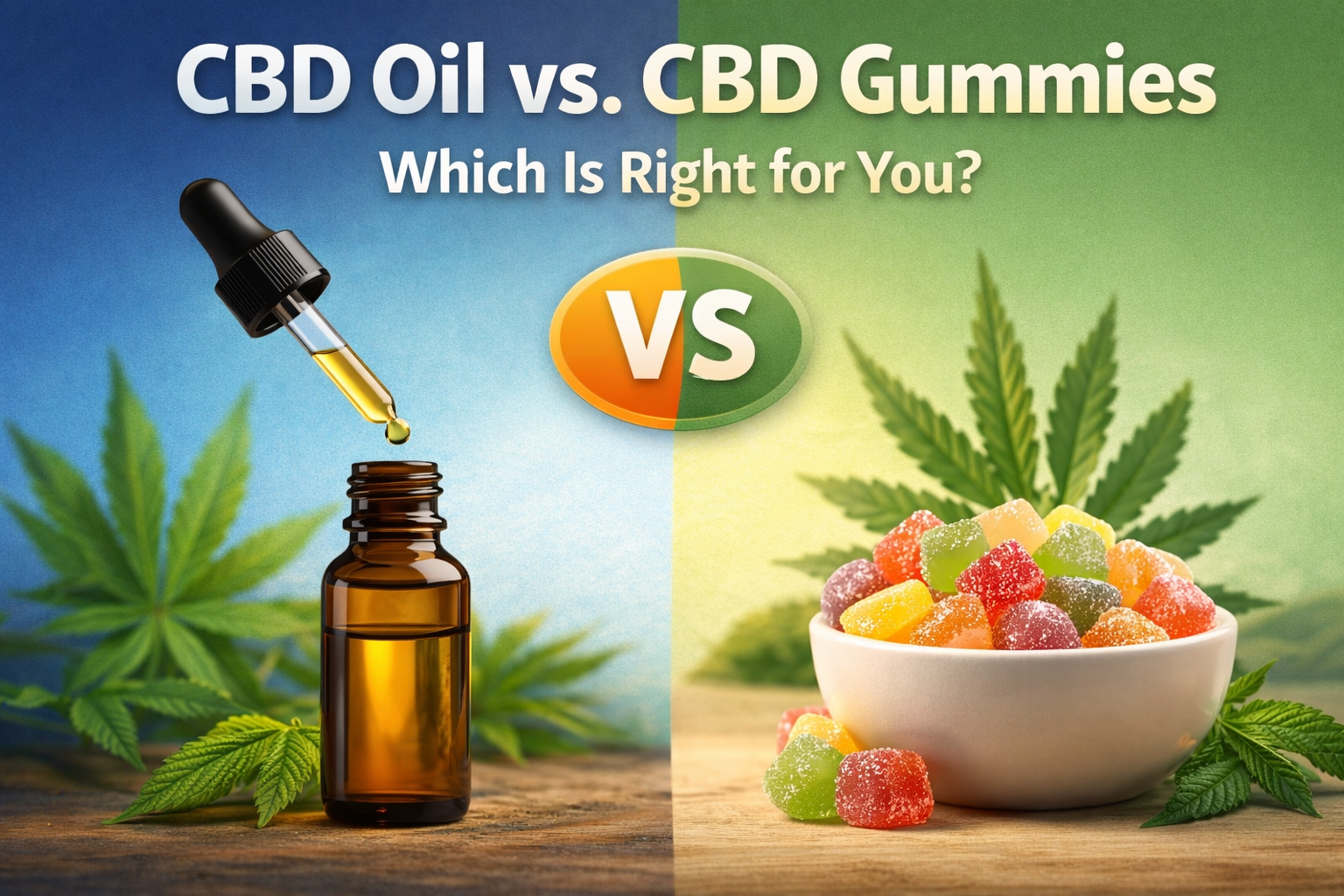
CBD Oil vs. CBD Gummies: Which Is Right for You?

CBD has become one of the most popular natural wellness supplements in recent years. From easing everyday stress to supporting better sleep and relaxation, cannabidiol (CBD) is now available in many convenient forms. Two of the most widely used options are CBD oil and CBD gummies. While both deliver CBD to the body, they differ in how they work, how quickly you feel the effects and how they fit into daily routines. 

If you’ve ever wondered which option is better for your lifestyle, personal preferences, or wellness goals, this informative guide breaks down all of the key differences to help you make an informed decision for yourself.

Overview of CBD Oil and Gummies

CBD oil is typically a liquid extract of cannabidiol suspended in a carrier oil such as MCT oil, hemp seed oil, or olive oil. It’s usually placed under the tongue as it’s taken using a designated dropper. This method allows CBD to absorb through the tissues in the mouth before entering the bloodstream.

CBD gummies, on the other hand, are flavored, chewable CBD edibles. Each gummy contains a pre-measured dose of CBD, making them easy to take and appealing to people who dislike the taste of oils.

Both of these forms come from hemp-derived CBD and are widely used for general wellness, relaxation, and stress support. The main differences simply life in convenience, absorption speed, and personal preference. 

Keep reading to find out more about the benefits and drawbacks of both oil and gummies, so that you can learn more about which one would work for you.

Pros and Cons: CBD Oil vs. CBD Gummies

CBD Oil: Pros

  • Faster absorption when taken under the tongue
  • Flexible dosing, allowing you to adjust drop by drop
  • Often contains fewer added ingredients
  • Available in higher potencies for experienced users

CBD Oil: Cons

  • Earthy taste that some people may find unpleasant
  • Requires measuring doses manually
  • Less discreet for on-the-go use

CBD Gummies: Pros

  • Great taste and enjoyable to consume
  • Pre-measured doses make them beginner-friendly
  • Discreet and convenient for travel or taking out and about
  • No hemp-like flavor

CBD Gummies: Cons

  • There’s often a slower onset of effects
  • Usually they contain sugar or sweeteners
  • They’re less flexible in terms of dosing compared to oils.

Choosing between CBD oil vs gummies often comes down to whether you prioritize speed and control or convenience and flavor.

Bioavailability and Onset Time

One of the biggest differences between CBD oil and CBD gummies is how quickly they work. 

CBD oil, when taken sublingually (under the tongue), generally has a higher bioavailability. This means that more CBD enters your bloodstream because it bypasses most of the digestive process. Effects are often felt within 15-45 minutes, making oil a popular option for those seeking quicker results.

CBD gummies must pass through the digestive system before the CBD is absorbed, meaning that the overall onset time is longer than that of the oil. This reduces bioavailability slightly and delays effects. Most users will feel the effects within 45-90 minutes, depending on your metabolism and whether the gummies are taken with food.

If you need faster relief or more predictable timing, CBD oil may be the better option. If you prefer a slower, more gradual experience, CBD edibles like gummies are often a very good fit.

Use Cases and Preferences

Different lifestyles and wellness goals often influence whether CBD oil or gummies are the better choice.

When CBD Oil Might Be Best

  • You want faster effects for relaxation or stress support
  • You prefer custom dosing
  • You’re experienced with CBD
  • You avoid adding sugars or flavorings

When CBD Gummies Might Be Best

  • You want a simple, enjoyable routine
  • You’re brand new to CBD
  • You need something discreet and portable
  • You dislike the taste of CBD oil

Some people even choose to use both, and enjoy a combination depending on their needs at any given time. CBD oil at home would give a precise dosing, and CBD gummies during the day are more convenient.

Recommended CBD Products

When choosing CBD products, quality matters more than form. Whether you select oil or gummies, you should be on the lookout for:

  • Third party lab testing for purity and potency
  • Hemp sourced from reputable farms
  • Clear labeling with CBD content per serving
  • Minimal artificial ingredients

For CBD oil, full-spectrum or broad-spectrum options are popular for those seeking the “entourage effect,” while CBD isolate may appeal to users who want the THC-free products.

For gummies, check the sugar content, flavoring ingredients, and CBD amount per gummy to ensure it aligns with your wellness goals.

Frequently Asked Questions

  • Which is Better, CBD Oil or CBD Gummies?

There’s no universal “better” option when it comes to oil or gummies; it totally depends on your needs. CBD oil is often preferred for faster absorption and dosing flexibility, while CBD gummies are ideal for convenience, taste, and ease of use. The best choice is the one you’re most likely to use and enjoy consistently.

  • Is it Better to Take CBD Capsules or Oil?

CBD capsules are similar to gummies in that they’re swallowed and digested, resulting in slower onset times. However, capsules usually contain fewer additives than gummies and offer precise dosing. CBD oil still absorbs faster and allows more dosing control, while capsules offer simplicity without flavor.

  • Do CBD Oil and CBD Gummies Expire?

Yes, both oil and gummies do have expiration dates. CBD oil typically lasts around 12-24 months when stored properly in a cool, dark place. CBD gummies often have a shorter shelf life due to the added ingredients such as gelatin or sugar. Always check the expiration date and storage instructions to maintain potency and freshness.

Final Thoughts

When it comes to CBD oil vs gummies there are a number of considerations for you to make on a personal level. The right choice depends completely on your lifestyle, taste preferences, and wellness goals. CBD oil offers faster effects and much great flexibility, making it a favorite among experienced users. CBD gummies, as popular CBD edibles, provide a tasty, discreet, and beginner friendly way to enjoy the benefits of CBD.

Ultimately, consistency and quality matter more than format. By choosing a trusted product and listening to your body, you can find the CBD option that fits seamlessly into your wellness routine.

CBD for Sleep: Can It Help You Rest Better

CBD for Sleep: Can It Help You Rest Better?

Not everyone can go to bed and fall asleep as soon as they shut their eyes. Some find it difficult to fall asleep, while others will find themselves waking up several times during the night due to stress or a mind that is constantly active.

CBD has become increasingly popular for having several benefits, including sleep. While there’s still a lot of research required in science to prove these benefits to be legitimate, many users of CBD have already reported success.

In this guide, we’ll explore how CBD can benefit sleep and promote better rest. From the best CBD products for sleep, to dosage recommendations, user testimonials, and safety and precautions to take.

Best CBD Products for Sleep

There are a great deal of CBD products out on the market and plenty for the purpose of sleep. It’s important to be aware of what products are legitimate and which ones shouldn’t be trusted. With that being said, here are some of the best CBD products for helping with your sleep habits.

Best overall gummies

Gummies are often considered one of the most common ways to take CBD. There are plenty of gummies to choose from, but one of the best options out there is the Aspen Green Bliss Organic Full Spectrum CBD Gummies.

These are potent and include THC/CBDV/THCV, so it’s worth making sure you’re aware of the effects.

Best for beginners

If you’re looking for CBD that’s best for beginners and also THC-free, then you could look at trying Redeem Therapeutics Broad-Spectrum Tincture. These are also good for those who are sensitive to THC.

Best potent oil

For potent oils, it’s worth trying out Lazarus Naturals Organic CBD Tincture, as these are high in concentration and have a strong sedative effect, which is important to be aware of.

Wellness-focused options

For wellness-focused individuals, Cornbread Hemp are wellness-focused offers gummies helpful for general sleep issues.

CBD with melatonin

Options from brands like cbdMD will often add melatonin to their formulas, which makes it a useful one for sleeping better at night.

What should you look for in sleep CBD?

When it comes to looking at the products out there, there are certain factors to consider. These include:

  • Full spectrum vs broad spectrum – Full-spectrum contains THC and other cannabinoids, which potentially help with enhancing sleep effects.
  • Potency – Look for higher milligram counts per serving if lower doses haven’t been as effective.
  • Added ingredients – Melatonin, calming terpenes, and CBN are useful for boosting sedative properties.
  • Third-party testing  – Ensure products are lab-tested for potency and purity.

Dosage Recommendations

Dosage Recommendations

When it comes to dosage recommendations, it can differ from one person to the next, depending on any prior experience they have with CBD.

In general, it’s good to take it 30-60 minutes before bed and to begin with a low dose and slowly increase it until you find what works for you. Consistency is also key in order to get the best results. 

Amongst the limited research that has been done into CBD and the benefits, there’s no real consensus on how much should be used for specific conditions. 

To figure out your dosage amount, consider the following:

  • Assess your sensitivity to CBD
  • Consider your individual factors
  • Consider the symptoms you’re treating
  • Try a dosage calculator

Before you even try CBD for the first time, discuss your plan with your doctor or healthcare professional to ensure you have the best understanding of risks, complications, and side effects that may come with it. 

User Testimonials

There are some great user testimonials that have come from users who have tried CBD before. Beyond just sleep itself, let’s take a look at some of the user testimonials that seem like a common benefit amongst many.

Improved sleep 

A significant number of users take CBD primarily as a sleep aid. It helps you fall asleep a lot faster, as well as to stay asleep longer.

Anxiety and stress management

Many users have reported that CBD helps them feel calmer and more relaxed.

Pain relief 

Testimonials will frequently mention a lot of improvement with chronic conditions. 

Pet wellness

CBD is also a popular one amongst pet owners for helping dogs with arthritis-related mobility issues and reducing seizures in pets with epilepsy. 

Safety and Precautions

There are some safety tips and precautions that you should be made aware of to ensure you have a safe and successful experience with CBD.

Product quality and mislabeling

There’s a wild west nature to the market, with many products containing contaminants and the product quality in general being questionable. 

Drug interactions

CBD can interfere with other drugs that you might be taking, so it’s important to consult with your doctor first.

Liver injury and disease

High doses of CBD have been associated with liver injury, and patients with individual liver disease may need lower doses or closer monitoring.

Pregnancy and breastfeeding

CBD is not recommended for individuals who are pregnant or breastfeeding, as its effects aren’t fully known on developing fetuses or infants.

THC content

Some products will contain more THC than others, so it’s good to be aware of that potency.

There are side effects that can come with CBD, such as reduced appetite, fatigue, diarrhea, and drowsiness, as well as mood changes. There are age restrictions on CBD for 18 or 21+.

In general, you should only purchase products from a company that can provide a Certificate of Analysis from an independent, third-party laboratory. It’s also important to be aware of state laws, as some will differ on the use of CBD or purchasing it.

FAQs

1. Can CBD help with sleep disorders?

Yes, CBD can help with sleep disorders and shows promising potential as a CBD sleep aid. Research is still ongoing, but studies are suggesting that it improves sleep quality and duration, and can also help with insomnia symptoms.

2. What is the recommended CBD dosage for sleep?

CBD dosages aren’t formally given, and so the consensus is to start off low and build up until you find the point at which it works best for you.

3. When should you take CBD for sleep?

You should take CBD at least 30 to 60 minutes before going to bed.

What Is CBD? A Comprehensive Guide for Beginners

What Is CBD? A Comprehensive Guide for Beginners

You’ve likely heard about CBD before, but understanding how it works in the body and its benefits is useful to know more about.

Cannabidiol, or CBD for short, is a natural compound from the cannabis plant and doesn’t cause a high, unlike its THC counterpart. 

CBD interacts with the body’s endocannabinoid system to promote balance, typically coming in the form of oils, edibles, and topicals. It has many known benefits, and despite there not being a ton of research into it, there are certainly many who now swear by it.

In this guide, we’ll take a look at how CBD works, its benefits, and how to get the most out of it as a beginner.

What Is CBD? A Comprehensive Guide for Beginners

How CBD Works in the Body

CBD interacts with the body’s endocannabinoid system, as mentioned briefly above. This system is a network of receptors that spread throughout the entire body, controlling some of our most vital life functions as a result.

The ECS was first discovered by researchers who were looking to understand how THC in cannasbis affected the body. Researchers found that the body naturally produces cannabinoids, which acts as messenger cells throughout the body. 

While scientists are still learning more about the complexities of the system, it’s believed to be crucial in regulating bodily functions from mood, to sleep, appetite, immune response and stress.

CBD is considered a good use for supporting the endocannabinoid system function and aiding the body’s ability to maintain balance for healthy function biologically.

Common Uses and Benefits

There are a number of common uses and benefits with using CBD products. While there’s still some research required to provide verified proof of it working for patients, many already claim it has helped with a variety of ailments.

Pain and inflammation 

Many find that CBD has helped to reduce inflammation and pain from various chronic conditions and arthritis by interacting with ECS receptors. Topical CBD shows a lot of promise for joint pain in particular. 

Anxiety and stress

With many people struggling with their mental health, having alternative options to over-the-counter or prescribed medication is helpful. Some users have reported that CBD has helped reduce the symptoms of anxiety and depression and potentially improving mood and sleep quality. Again, more research is required to prove these claims.

Sleep disorders

Talking of sleep improvement, some users of CBD have reported improvement on their sleep quality, especially when it’s linked to anxiety. This may be helpful for those who deal often with insomnia.

Epilepsy 

FDA- approved prescription CBD (Epidiolex) is currently used for treating seizures from severe epilepsy.

Skin health

One of the popular ways in which CBD is used, is through topicals which have been helpful for those looking to improve their skin health. Topical CBD may help those with acne by reducing sebum producton and calming irritated skin due to both antioxidant and anti-inflammatory properties.

Multiple Sclerosis

Evidence supports the use of CBD for reducing muscle spasms and pain in MS.

There are some important considerations to make when it comes to the common uses and in particular, the benefits. A lot of the research is ongoing ,with robust scientific evidence needed for many of the uses mentioned above. Regulation can also vary, which leads us naturally on to the legal status of CBD.

Legal Status of CBD

In the U.S. CBD from hemp, so ≤0.3% THC, is federally legal under the 2018 Farm Bill. However, it’s useful to know that this varies depending on which state you’re in. Some states have restricted the use of CBD or banned it in some cases.

What Is CBD? A Comprehensive Guide for Beginners

The FDA also hasn’t approved CBD for food/supplements and only for a prescription seizure drug mentioned above called Epidiolex. That does create regulatory gaps that means many products are made available but not all of them might be safe to use, especially when it comes to THC content.

Potential Side Effects

Are there potential side effects to CBD? CBD in general, seems to be well-tolerated but there are a number of side effects that have been reported that are worth mentioning. Of course, with more research, the safety and side effects known to come with CBD will be made more apparent.

Some common side effects include the following:

  • Gastrointestinal – You may experience nausea, diarrhea, upset stomach or abdominal pain.
  • Alertness/Energy – Drowsiness, fatigue, sleepiness and even insomnia might be a side effect experienced.
  • Appetite/Weight – A decreased or changed appetite, including weight changes might occur with the use of CBD.
  • Mood – Changes in mood such as irritability, agitation and increased anxiety are often reported by users.
  • Other – Dry mouth, dizziness and lightheadedness are some of the other common side effects that occur.

There are some potential risks to using CBD, which are also worth being aware of. CBD can affect liver function, which therefore required regular monitoring especially for those with high dosages or using it with other medications.

Talking of drugs, CBD can interact with other medication such as blood thinners or seizure medications. This may also increase side effects.

Unregulated CBD products may also contain harmful contaminants so it’s important to be aware of where the CBD is coming from and making sure it’s being produced by a legitimate company.

Approach CBD with research and caution

It’s important that as a beginner to CBD, that you explore the potential through research and an air of caution. The lack of research means any claims aren’t fully validated. Yes, there seems to be many benefits of it’s use with current users, but not everyone might have the same experience.

Hopefully in the future, we’ll get more information on the true benefits and usage of CBD as more R&D is conducted.

FAQs

1. Will CBD make me high?

No, it’s beneficial to know that pure CBD oil doesn’t make you feel high because it lacks the significant amount of THC needed for the psychoactive effects to take place. Users will often report feelings of calm, relaxation or reduced pain. 

However, it can also cause drowsiness or alertness changes depending on the dose and product type you have.

2. How much CBD should I use?

There’s no right amount of CBD to use as the amount can vary from one person to the next. As a beginner, a common recommendation to start with a small amount of CBD and gradually increase it as required.

Consulting with a healthcare professional is also advised, especially for those with existing health conditions or those taking other medications.

3. Is CBD bad for you?

CBD isn’t inherently bad and is typically considered safe for most people. However, it’s not risk free, so knowing the side effects and risk is improtant.