
CBD oil has become an increasingly popular option for people looking to support their everyday wellness routines in a more natural way. From managing daily stress, to encouraging relaxation, many adults are generally quite curious about how CBD oil fits into a balanced lifestyle. However, knowing how to use it properly is just as important as choosing a quality product.
This guide breaks down all of the basics of how to use CBD oil in a simple, step-by-step way. It focuses on dosage, consumption methods, and what to expect over time, without making any medical claims or promises. Whether you’re brand new to the world of CBD or you’re just looking to be more informed, this overview will help you to approach CBD oil thoughtfully and responsibly.
Determining the Right Dosage
Finding the right amount of CBD oil can feel confusing at first, especially since there’s no universal dosage that works for everyone. Factors such as body weight, individual sensitivity, lifestyle, and the concentration of the CBD oil all play a huge role.
Generally, most beginners would start with a low amount and increase gradually. Starting low, and taking it slow is an approach that will allow you to observe how your body responds before making adjustments. Reading the product label is essential, as CBD oils vary widely in strength. A few drops of one product may contain much more CBD than a full dropper of another, so it’s important to check using a reliable CBD dosage guide. This can help provide a general starting range, but it’s best viewed as a reference point rather than a strict rule. Consistency and patience are key when determining what feels right for you.
Methods of Consumption
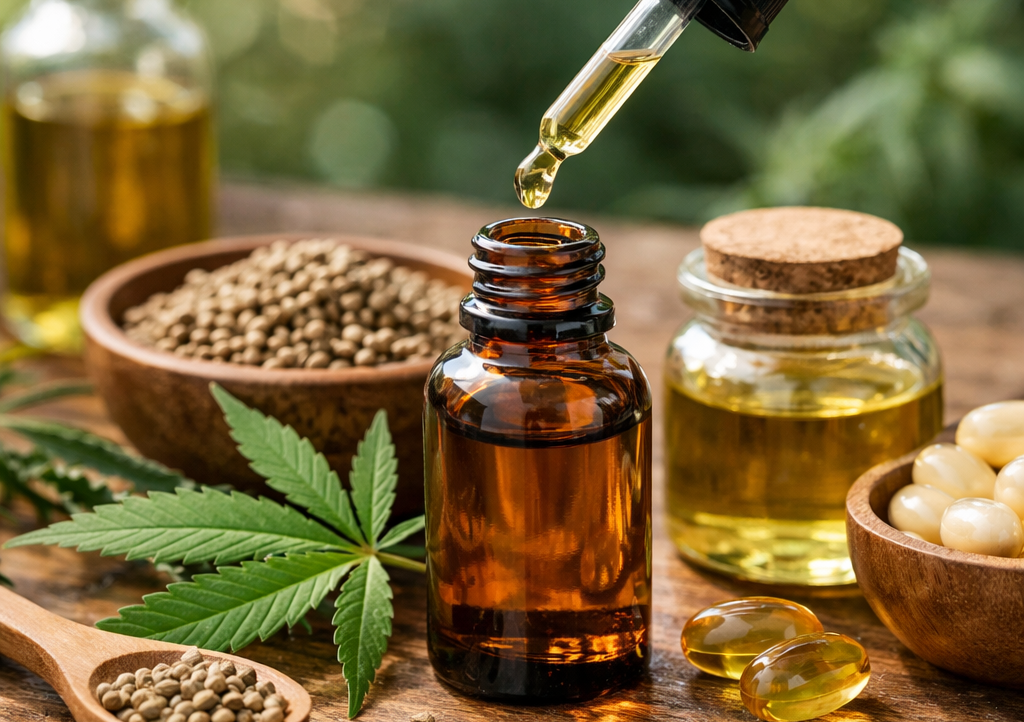
CBD oil can be taken in several different ways, and each method offers a slightly different experience from person to person. One of the most common methods is sublingual use, where the oil is placed under the tongue and held here for around 30-60 seconds before swallowing. This allows the CBD to be absorbed through tissues in the mouth and is often chosen for its simplicity and efficiency.
CBD oil can also be added to food or drinks, such as smoothies or teas. While this may sound more appealing for those who dislike the taste, digestion can slow down absorption compared to directly dosing sublingually.
Similarly, some people also prefer capsules or soft gels made with CBD oil, as they offer pre-measured amounts and fit easily into a daily routine. The best method largely depends on personal preference and lifestyle, rather than one being better than the other.
Tips for First-Time Users
If you’re using CBD oil for the first time, a few simple tips can make the experience smoother and more comfortable. Start by choosing a reputable product from a transparent brand that provides third-party lab testing. This helps to ensure you know exactly what you’re taking. Begin with the lowest suggested amount on the label and avoid mixing CBD with new supplements all at once.
It’s also really helpful to take notes during your first week or two. Writing down when you take CBD oil, how much you use, and how you feel afterwards can help you notice subtle patterns over time. Staying hydrated and maintaining regular sleep and meal schedules can also support a more consistent experience.
Monitoring Effects
CBD oil does not usually create immediate or dramatic sensations, especially when used in small amounts. Instead, many people describe its effects as gradual and subtle.
Monitoring how you feel throughout the day can help you to better understand how CBD fits into your routine. Some individuals notice changes in how relaxed they feel in the evening, while others pay attention to overall balance or calm during particularly busy days.
It’s important to separate your expectations from observations when you’re monitoring the effects. Rather than looking for instant results, focus on whether CBD oil supports your general sense of well-being over time. Everyone’s experience is different and there is no “correct” reaction.
Adjusting Dosage Over Time
Once you’ve used CBD oil consistently for a period of time, you may decide to adjust your dosage. Any changes should be small and gradual. Increasing by a few milligrams at a time allows you to continue monitoring your response without overdoing it.
Some people find that they need less CBD oil over time, while others adjust based on changes in their routine, stress levels, or daily habits. There’s no requirement to continually increase dosage, and more isn’t always better.
Revisiting a trusted CBD dosage guide periodically can help you to stay within reasonable ranges and maintain a thoughtful approach to long-term use.
FAQs
- When is the best time to take CBD oil?
There’s no single best time that applies to everyone. Some people prefer taking CBD oil in the morning as part of their daily routine, while others choose the evening to support relaxation. It all depends on your personal schedule, how you can remain consistent, and how it fits into your lifestyle.
- Should CBD oil be taken with food or on an empty stomach?
CBD oil can be taken either way, and it’s all about personal preference. Some users prefer to take it with food, especially meals that include healthy fats. Others will take it on an empty stomach for convenience and feel just as good.
- Can you take CBD oil every day?
Many people choose to use CBD oil daily as a part of a wellness routine. Consistency can make it easier to monitor how your body responds over time. As with any supplement, it’s important to listen to your body and adjust usage as needed.
Final Thoughts
Learning how to use CBD oil doesn’t have to be complicated or overwhelming. By starting with a low dosage, choosing a method that suits your lifestyle, and paying close attention to how you feel over time, CBD oil can be approached in a calm and informed way. Instead of viewing CBD oil as a quick fix, it’s best to look at it as one possible addition to a broader wellness routine that includes lots of healthy habits, balance, and self-care. Taking a thoughtful, patient approach helps to ensure your experience remains safe, realistic, and aligned with your personal goals.