What is THCP Flower?
THCP, or tetrahydrocannabiphorol, is a naturally occurring cannabinoid found in the cannabis plant. It is structurally similar to THC but has a slightly longer molecular chain, which allows it to interact strongly with cannabinoid receptors in the body. Because of this difference, THCP has gained attention for its potency and its ability to produce noticeable effects even in smaller amounts compared to some other cannabinoids.
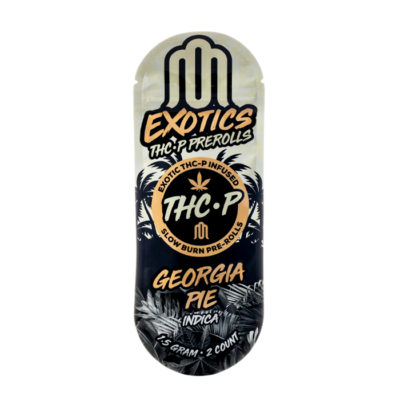
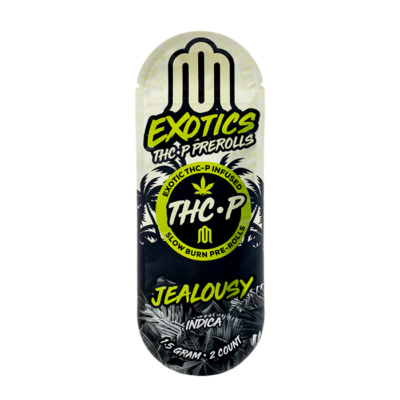
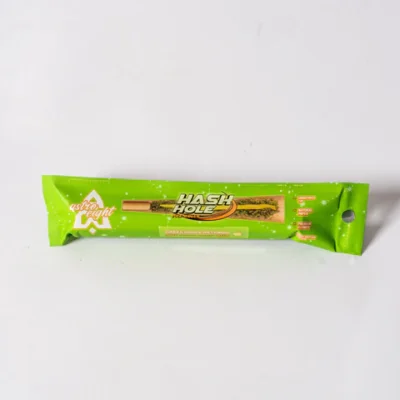
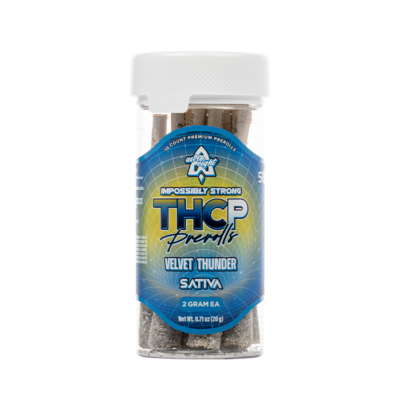
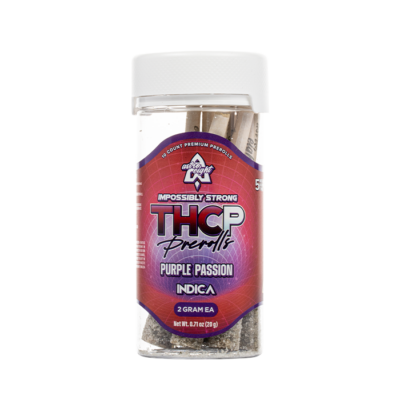
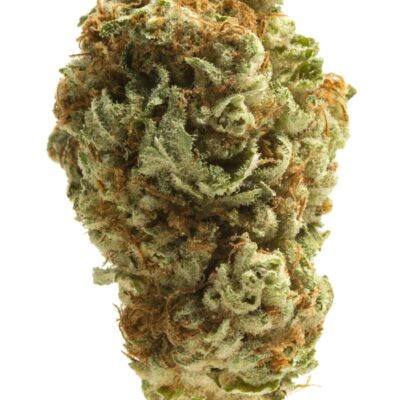
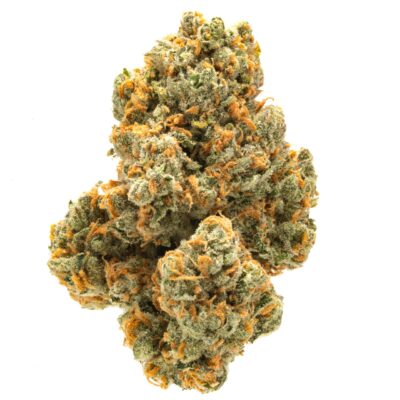
THCP flower refers to hemp flower that has been infused or coated with THCP. The base flower is typically high-quality hemp, and the added THCP enhances the cannabinoid profile. THCP flower is commonly smoked or vaporized, allowing the cannabinoid to be absorbed quickly through the lungs and producing faster effects than edible products.
What are the Benefits of THCP Flower?
THCP flower is often chosen by users looking for a strong and fast-acting cannabinoid experience. Like other THC-related compounds, THCP interacts with the body’s endocannabinoid system, which helps regulate mood, stress, and physical comfort.
Some commonly reported benefits include:
- Promoting deep relaxation and helping the body unwind
- Supporting an uplifted or elevated mood
- Helping ease physical tension or discomfort
- Providing fast-acting effects when smoked or vaporized
Because THCP may be more potent than many other cannabinoids, many users prefer to start with a small amount and adjust gradually.
What is the Difference Between THCP and THC?
THCP and THC are closely related cannabinoids, but they differ in their chemical structure and potential potency. Both interact with the body’s cannabinoid receptors, but THCP’s molecular structure allows it to bind more strongly to those receptors.
Key differences include:
- Potency – THCP is often considered more potent than traditional Delta 9 THC.
- Molecular structure – THCP has a longer alkyl side chain than THC.
- Receptor interaction – THCP may bind more strongly to CB1 receptors in the body.
- Availability – THC is naturally abundant in cannabis, while THCP appears in much smaller amounts.
These differences can influence how strongly each cannabinoid affects the body.